
Herbal Thursday: Sage
Can an Herb Help You Become More… Sage? Discover the herb that nurtures wisdom with brain-boosting and mood-balancing benefits, coupled with improved digestion and cough relief, too!
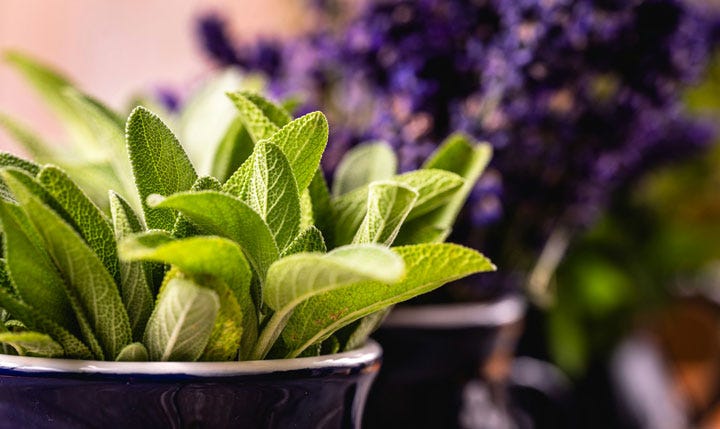
Soft and silvery, sage adorns the kitchen table in a variety of ways, from its distinctive flavor to its healing scent. Known for centuries as a symbol of wisdom and vitality, it is one of Nature’s most powerful healing herbs. From the ancient Greeks to modern herbalists, people have turned to sage to support the body, calm the mind, and restore balance. Today, we’re diving deep into why this silvery-green leaf deserves a starring role in your herbal wellness routine.
What Makes Sage So Special?
The Salvia family of plants, commonly known as sage, is the largest group of plants in the mint family, so right away you know there’s more to this plant than pretty flowers. The sage you crumble into your stuffing mix — Salvia officinalis or common sage — is rich in essential oils, antioxidants, and plant compounds that help protect and nourish the body.
Some of its standout nutrients and compounds include:
Polyphenols, like rosmarinic acid and caffeic acid
Flavonoids, like apigenin and quercetin
alpha- and beta- thujone
Essential oils, like camphor and cineole
These naturally supportive elements give sage a wide range of wellness benefits.
Powerful Benefits of Sage
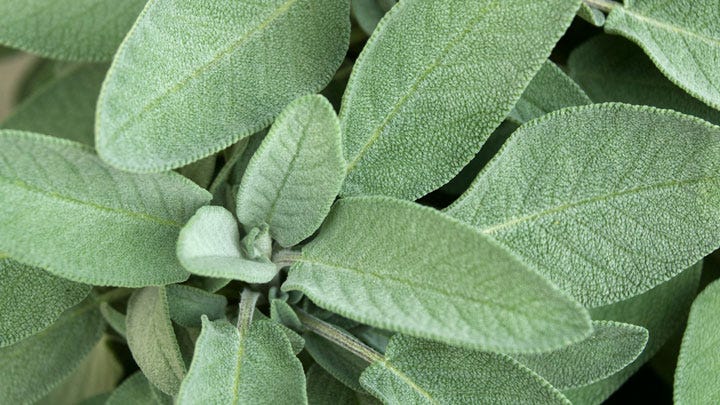
1. Supports Brain Health and Memory
Sage’s long-standing reputation as a “thinker’s herb” is backed by modern science. Research shows that compounds like rosmarinic acid and cineole may help protect neurons from oxidative stress, supporting clearer thinking and stronger memory performance. One study found that sage extract improved attention and memory recall in healthy adults, even in those who were experiencing mild cognitive impairment.
In another investigation — a double-blind, placebo-controlled study — researchers found that S. officinalis significantly improved cognitive functions in participants with mild to moderate Alzheimer's Disease. And the placebo group not only had poorer outcomes mentally, but they also appeared more agitated than the sage group.
2. Hormone and Mood Support
Traditionally, women turned to sage as a means of turning down the heat, both sweating and hot flashes. One study observed menopausal women over two months, treating the women with a once-daily capsule of fresh sage leaves. After just 4 weeks, already half the women reported a significant improvement in hot flashes.
A more recent study used sage extract instead of fresh leaves, but the results were similar. After just 4 weeks of treatment, women reported a significant reduction of menopausal symptoms like hot flashes, night sweats, fatigue, and poor concentration. Why? Researchers speculate that the phytoestrogens in salvia support hormone balance in women going through menopause, similar to benefits from flax seed.
But does it just help older women? No. In fact, a study with “healthy young participants” found that a simple treatment of dried sage leaves led to a better mood — with less anxiety and greater calm — while also protecting against stressors. The higher dose of 600 mg of dried sage realized better outcomes in the face of a cognitive stress test.
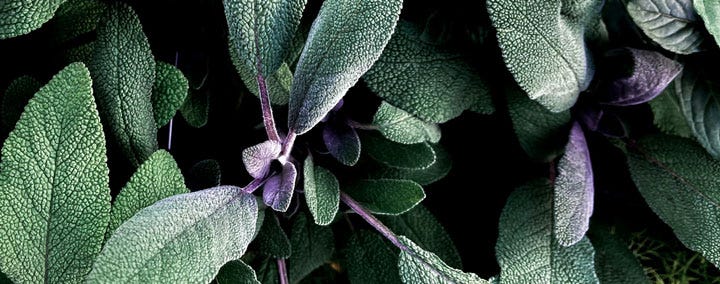
3. Natural Antimicrobial Properties
Oxidative stress contributes to major diseases like cancer, heart disease, diabetes, and neurological disorders. Fortunately, Nature provides us with herbs that help protect cells from this damage. Sage can be counted among the highest antioxidant herbs in your kitchen or cabinet.
Specifically, sage helps the body resist oxidative stress by boosting key antioxidant enzymes, which prevents DNA damage. Its most powerful protective compounds include carnosol, rosmarinic acid, and carnosic acid, which have radical-scavenging abilities comparable to or stronger than vitamin E. Other flavonoids in sage — especially quercetin — further strengthen its antioxidant effects, even reversing damage in the kidneys.
In addition, sage contains potent essential oils like thujone, camphor, and cineole. These compounds can inhibit harmful bacteria, fungi, and even some viruses. Studies have shown that sage essential oil can suppress bacteria such as E. coli and Staphylococcus aureus or even demonstrate strong antifungal activity against Candida.
Essentially, sage is a powerful natural antiseptic with strong antibacterial, antifungal, antiviral, and even anti-malarial actions. These actions make sage a useful herb for natural immune support.
And these cleansing qualities are part of why sage has been used since ancient times to purify homes, cleanse the air, and support the immune system during seasonal transitions.
4. Soothes Pain and Reduces Inflammation
Salvia officinalis has notable anti-inflammatory and pain-relieving properties, offering a natural alternative to conventional NSAIDs. Studies show sage can help reduce pain and inflammation thanks to its key active compounds — flavonoids and terpenes. Ursolic acid, in particular, is twice as effective in reducing inflammation as indomethacin, a commonly prescribed NSAID.
Oral rinses with sage extracts may even curb the bacterial overgrowth that leads to periodontal disease. And if you already have an infection building in your mouth, it’s little wonder that a sore throat or cough can create problems, as well.
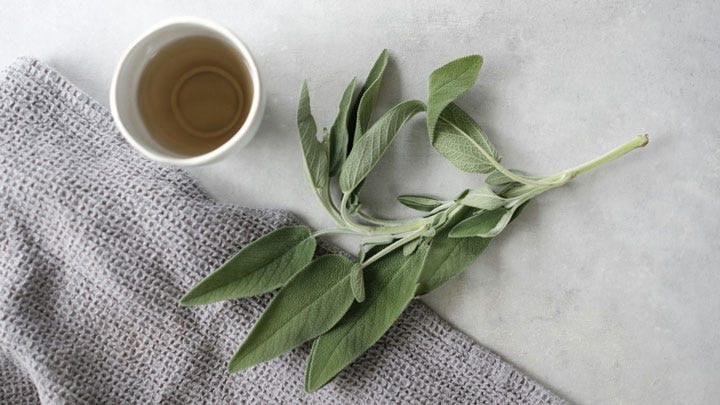
Warm sage tea or herbal gargles have long been used to calm throat irritation. As is often the case, the scientific community conducts studies to support or refute traditional beliefs about herbs, and so sage has had the opportunity to shine.
For example, antimicrobial and astringent properties help reduce swelling while discouraging microbial growth. A controlled study found that a sage and echinacea spray was just as effective as standard chlorhexidine/lidocaine sprays for reducing sore throat symptoms. The herb’s natural tannins help tighten and tone irritated tissues, while its essential oils can ease coughing by relaxing the respiratory passages.
Easy Ways to Use Sage
Grow It
In the greater part of the United States, sage grows happily as a perennial plant, meaning it grows back every year after winter. In the far North and deep South, however, the temperatures may be too warm or cold for a good perennial harvest. In these zones, sage may do better as an annual, planted every spring.
Cook With It
Beginning with freshly picked sage leaves, crush or chop coarsely and add to roasted vegetables, soups, plant-based sautés, or herbal broths. No sage growing on your window sill? No problem! Dried sage has the same classic flavor, though a bit more subtle. Gently rub between your fingers to bring out some of the oils for flavor.
Sage is a member of the classic herbal combination used in traditional Thanksgiving Day recipes (parsley, sage, rosemary, and thyme).
Sip It
Here, a little goes a long way with dried sage. But you can also use fresh leaves in simmering hot water. Steep fresh or dried sage leaves for 10-15 minutes to create a calming, warming tea.
Smudge or Burn It
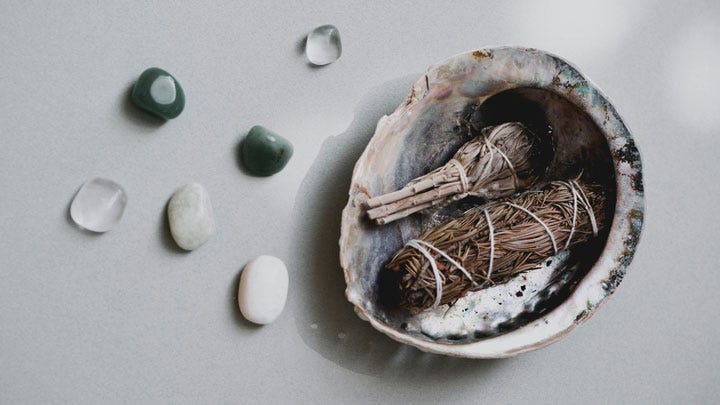
Smudging — or burning herbs to dispel negative energy — has traditional and practical significance. While traditionally used for cleansing spaces, burning sage can also help you reset emotionally and mentally. Why is that? Really, the two likely go hand-in-hand. Smudging (burning sage) actually reduces the microbes circulating in the air. It also counters positive ions with negative ones. Even though it sounds odd, we actually flourish with negative ions over positive ones. Grounding, for example, counteracts the positive energy that creates oxidative stress. Smudging does the same thing in the air in your home.
A Gentle Word of Caution
While sage is generally safe, concentrated forms (like essential oils) should be used mindfully. Pregnant individuals and those with existing medical conditions should check with a health professional before taking sage in high amounts.
Final Thoughts
Sage is so much more than a culinary herb. It’s a wisdom plant — grounding, clarifying, and deeply restorative. Whether sipped, savored, or burned, this ancient herb continues to nourish us in simple, powerful ways.
Let sage be your gentle guide into greater calm, clarity, and natural vitality this season of gratitude.

Mark your calendars! My groundbreaking Health & Rejuvenation Conference returns March 27–29, 2026 — now in Titusville, Florida!
Please Join Us!! All Welcome!
https://shop.davidwolfe.com/products/david-wolfes-health-rejuvenation-conference-march-2026
These statements have not been evaluated by the Food and Drug Administration. This information is not intended to diagnose, treat, cure, or prevent any disease.
Join the David Avocado Wolfe Substack Community
This is where transformation begins — are you ready to join us?
Wolfe University
Ready to go all-in? Experience the new Wolfe University with both free and paid courses, as well as the platform for David Wolfe's Inner Circle.
David Avocado Wolfe Links
David Wolfe Website: https://www.davidwolfe.com/
Wolfe University: https://university.davidwolfe.com/
David Wolfe Shops
Our favorite Chocolate Factory is now located in Central Florida! Please visit Butler’s Raw Chocolates! 2400 South Hopkins Avenue, Unit E, Titusville, FL 32780
Butler’s Raw Chocolates: https://butlersrawchocolates.com/
Links on this page may include affiliate links; any commissions earned are at no extra cost to you and support the continuing work of David Avocado Wolfe.