
Red Light vs Blue Light: Red Light Heals, Blue Light Steals
Living Life in the Red: Why your body thrives under warm, ancestral light — and how modern screens, LEDs, and streetlights scramble circadian rhythms, damage sleep, and stress your nervous system.
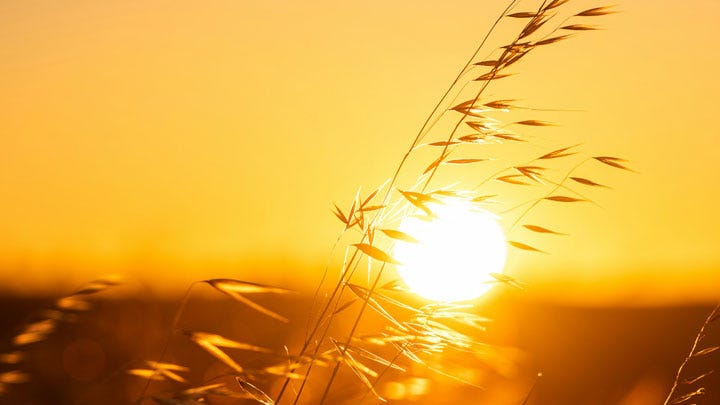
Humans enjoyed life under the warm, rhythmic light of the sun and the gentle glow of fire for thousands of years. The sunlight governed our days, and the firelight eased our nights. Even today, for many people firelight brings a subtle enchantment: it softens scary ghost stories around the campfire; it sets the mood for a romantic evening at home; and it recalls fond memories of times past (s’mores, anyone?).
These natural light sources guide our hormones, our sleep cycles, our moods, and even our thoughts. Unfortunately, over the last century, artificial light has replaced sunlight as our main source of illumination.
While human biology evolved under sunlight and firelight, artificial light is only about 150 years old. It often confuses, disrupts, or stresses the body. And now our bodies are paying the price.
Why does a weekend away from electronics feel better? Is it simply giving ourselves permission to relax and let go of work woes? Or could it be simpler than that? Maybe just looking at our computers under fluorescent lights creates stress in our bodies, something we should no longer ignore.

Natural Light: The Original Human Environment
For millions of years, sunlight shaped every system in the human body. Light wasn’t just something we saw — it was something our biology used.
See this recent article on the circadian rhythm for some insight.
First, the Sun teaches the body about time.
Morning sunlight tells your brain:
Wake up.
Raise cortisol in a healthy way.
Boost serotonin for calm focus.
Set the circadian clock for the next 24 hours.
Evening light does the opposite. As the sun gets warmer and dimmer, your body shifts into repair mode. Melatonin rises. Inflammation drops. Your brain prepares for deep sleep.
Light is the original language of your hormones.
Fun Fact: The pineal gland, found in the very center of the brain, receives signals about light and dark from the retina. What our eyes see in terms of light, the pineal gland translates into melatonin, which governs our sleep cycles.
In a recent announcement, the American Heart Association acknowledged that metabolic health — and therefore heart health — relies on the body’s circadian rhythm and appropriate timing of light exposure.
As discussed in JAMA, “just as light, including blue light from screens, may have detrimental effects, the therapeutic use of light stands to offer notable benefits.”
Morning light therapy, which often involves sitting in front of a light box, is key in keeping body clocks on schedule and overcoming the “lifestyle of a 21st-century human who has access to light at any hour,” said Kristen Knutson, PhD.
Firelight and Red Light: Nature’s Rest Cycle
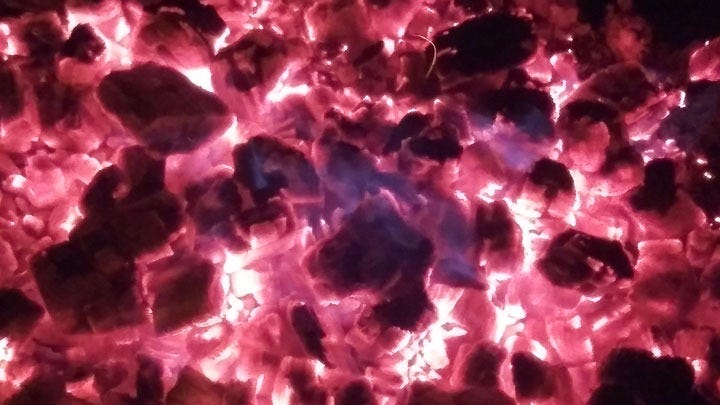
After sunset, our ancestors sat around the campfire — if they stayed awake! Firelight is rich in red and infrared wavelengths. These are the same wavelengths used today in red light therapy.
Near and Far Infrared Wavelengths do the following:
Support cellular repair
Boost mitochondrial energy
Calm the nervous system
Encourage melatonin production
Reduce nighttime stress hormones
This is why people instinctively relax in front of a candle or fire. It signals safety, rest, and repair.
Artificial Light: A Biological Mismatch
Artificial light is only about 150 years old. That’s a blink in the evolutionary timeline. Most modern indoor light sources — especially LED lightbulbs, computer screens (this includes phones and tablets and other handheld devices), and white streetlights — send your biology mixed signals all day and all night.
Blue Light at the Wrong Time
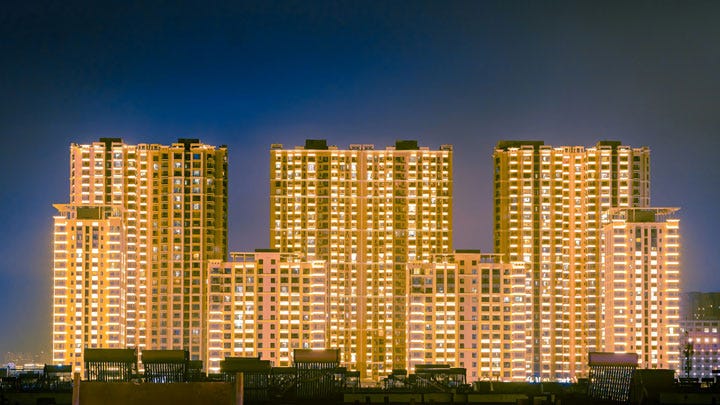
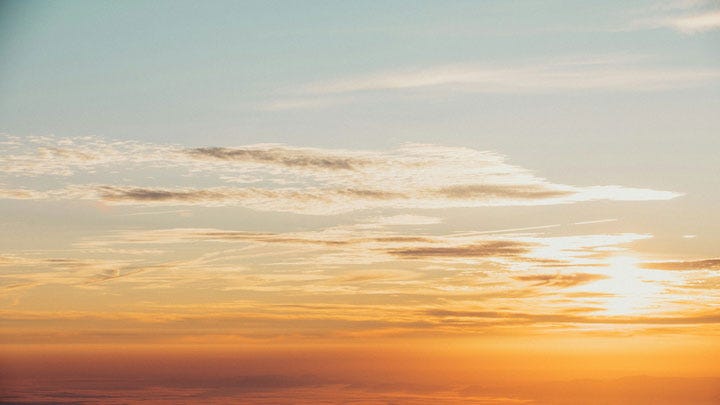
The light coming from the sun is a combination of visible and invisible wavelengths on a spectrum. When the light passes through our atmosphere, particles scatter the light. At dawn and dusk, when the sun is very low in the sky (at the horizon), we see a warm, red glow. At that time, we can gaze upon the sun and feel its magic.
But as the sun rises, its light quickly grows bright, and more of the blue light filters through the atmosphere. In fact, morning sunlight scatters blue light across the sky. This is our wakeup call.
Blue light is not “bad.” It’s simply a powerful daytime signal.
Please Note: The sky appears blue because the atmosphere scatters blue light more than other colors in the light spectrum. But all colors reach our sight.
Here’s the problem:
Morning blue light energizes the brain.
Nighttime blue light tricks the brain into thinking the sun is still high in the sky.
When you use bright white or blue-heavy light after sunset, the pineal gland does not get the message to make melatonin. Instead, melatonin production stops.
Again, the signals your eyes send to your pineal gland regulate melatonin production. Blue-light blocking technology becomes critical for people who work late but also need restful sleep (and that seems to be just about everyone these days).
Furthermore, sleep becomes shallow. The body stays in a subtle daytime state until later into the night. As the body undergoes repair during this critical time — especially the brain, which cleanses built-up toxins and residues during deep sleep — shallow sleep over time will lead to compounding problems.
The number of problems this creates is wide-ranging, including immune function, hormone regulation, mood, cognition, metabolism, and sleep quality, of course.
Your body craves its natural rhythm. Artificial light drags it off-beat.
Watch for a future article on the hazards of Flicker!
How to reclaim your light rhythm in modern society
So what to do? Fortunately, you don’t need to return to the Stone Age. You just need a few simple choices to shift your biology back into harmony.
In The Morning
Get outside within 30–60 minutes of waking.
Let natural light hit your eyes (no sunglasses for the first 10 minutes, but do not look directly at the sun if it has crested the horizon).
Keep indoor lights bright but warm if possible.
During The Day
Take quick sun breaks outdoors.
Open blinds and sit near windows.
Reduce screen brightness only if your screen is flicker-free. Quick test, take a picture of your computer screen (or other device). If you see dark lines or bars on the image, then your screen flickers.
In The Evening
After sunset, dim the lights.
Use lamps with incandescent bulbs instead of overhead LEDs. (You can purchase incandescent bulbs HERE.) If you can only buy LEDs, look for the ones with a softer light, not the bright white ones.
Switch to warm bulbs (2700K or lower), amber bulbs, or red lights. LED bulbs listed as 2700K are similar in brightness to 60 watt incandescent bulbs.
Avoid bright screens 2-3 hours before bed for best sleep or at least one hour.
If using screens, increase brightness to reduce flicker, and use the Night Light filter on your device and / or blue-blocking glasses.
At Night
Make your bedroom truly dark. Cover windows to block street light glare.
Cover glowing LEDs from chargers and devices. But it is definitely best to power off all devices and charge them outside of the bedroom.
Use dim red night lights if needed.
These steps give your biology the light signals it understands — and the ones it thrives on.
Final Thoughts
Natural light nourishes us. We run on rhythms, colors, and wavelengths the sun has offered since the beginning of life.
Though it has benefits in modern society, artificial light — especially blue-heavy, high-flicker light — acts more like a stimulant, a stressor, and a circadian disruptor. It can cause harm if not used thoughtfully and in alignment with our natural rhythms.
When we reconnect our days to sunshine and our nights to darkness, we don’t just sleep better, we live better.
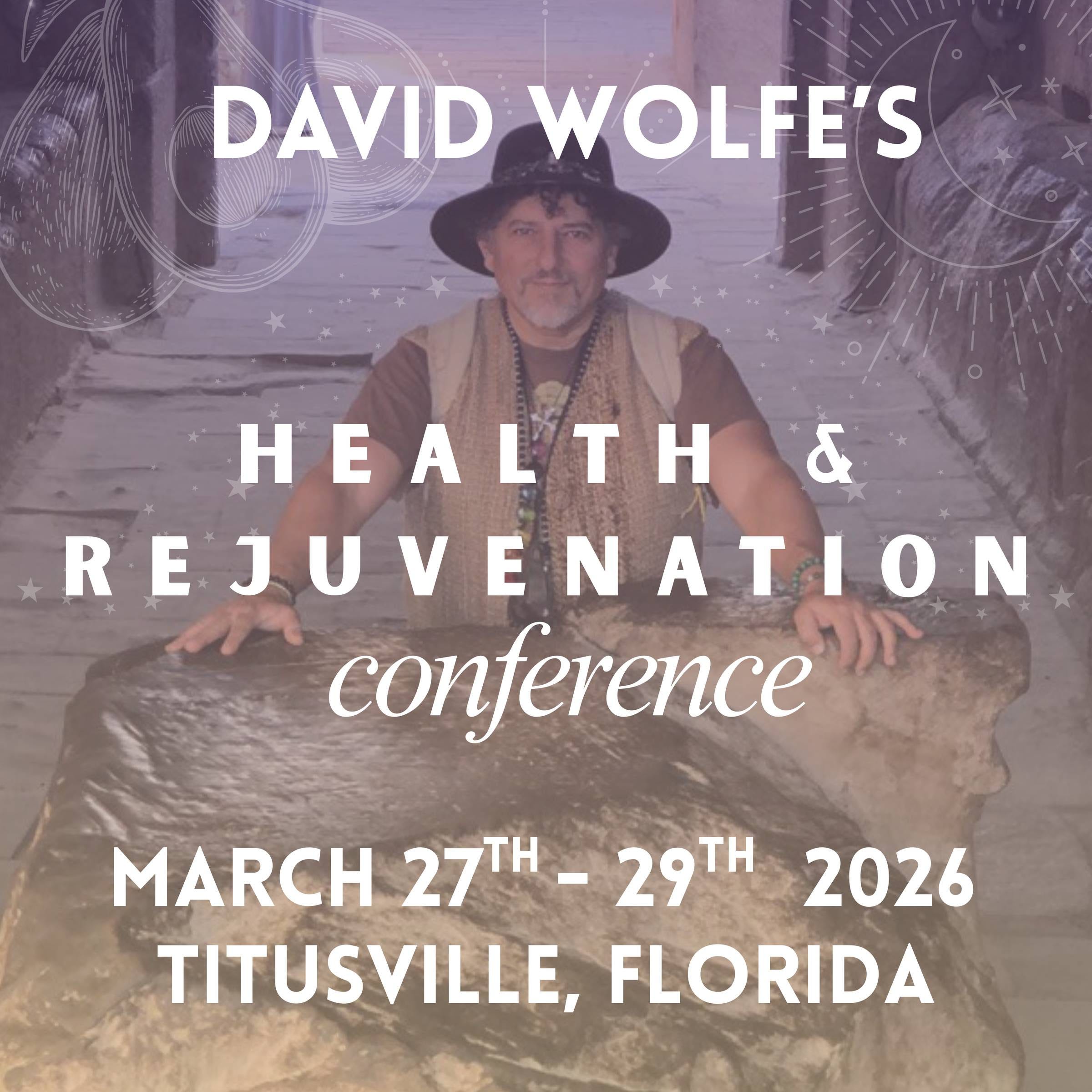
Mark your calendars! My groundbreaking Health & Rejuvenation Conference returns March 27–29, 2026 — now in Titusville, Florida!
Please Join Us!! All Welcome!
https://shop.davidwolfe.com/products/david-wolfes-health-rejuvenation-conference-march-2026
These statements have not been evaluated by the Food and Drug Administration. This information is not intended to diagnose, treat, cure, or prevent any disease.
Join the David Avocado Wolfe Substack Community
This is where transformation begins. Are you ready to join us?
Wolfe University
Ready to go all-in? Experience the new Wolfe University with both free and paid courses, as well as the platform for David Wolfe’s Inner Circle.
David Avocado Wolfe Links
David Wolfe Website: https://www.davidwolfe.com/
Wolfe University: https://university.davidwolfe.com/
David Wolfe Shops
Our favorite Chocolate Factory is now located in Central Florida! Please visit Butler’s Raw Chocolates! 2400 South Hopkins Avenue, Unit E, Titusville, FL 32780
Butler’s Raw Chocolates: https://butlersrawchocolates.com/
Links on this page may include affiliate links; any commissions earned are at no extra cost to you and support the continuing work of David Avocado Wolfe.