
Wild Wisdom: How to Forage and Thrive in Any Environment
Discover nature’s hidden pantry and learn essential survival skills to become self-sufficient in any situation.
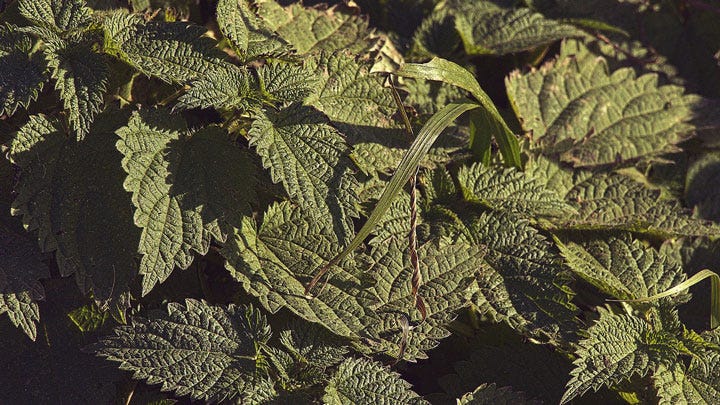
Nature provides everything we need to survive—if we know where to look. Foraging is an ancient skill that allows us to gather wild foods and medicinal plants directly from the land. Whether you're in a survival situation or just looking to reconnect with Nature, learning to forage can help you gain independence, resilience, and deeper respect for the Earth.
Let’s explore some of the best foraging techniques and survival strategies you can adopt today!
The Basics of Foraging: How to Start
Foraging begins with awareness. Before you set out into the wild, follow these essential steps:
1. Learn to Identify Wild Edibles
Study local plant species, trees, berries, and mushrooms. Carry a foraging guidebook or use an identification app to ensure safety. Start with easy-to-recognize plants like dandelion, plantain, wild berries, and nettles.
2. Respect the Land
Always harvest responsibly. Take only what you need, and leave plenty behind to regenerate. Avoid overharvesting in any one area.
3. Know the Seasons
Different plants grow at different times of the year. Learn when your local wild foods are in season so you can harvest them at their peak.
4. Avoid Polluted Areas
Never forage near roadsides, industrial areas, or places sprayed with pesticides. Wild food is powerful medicine, but only when it’s clean and pure.
Top Wild Foods for Foraging
1. Edible Greens
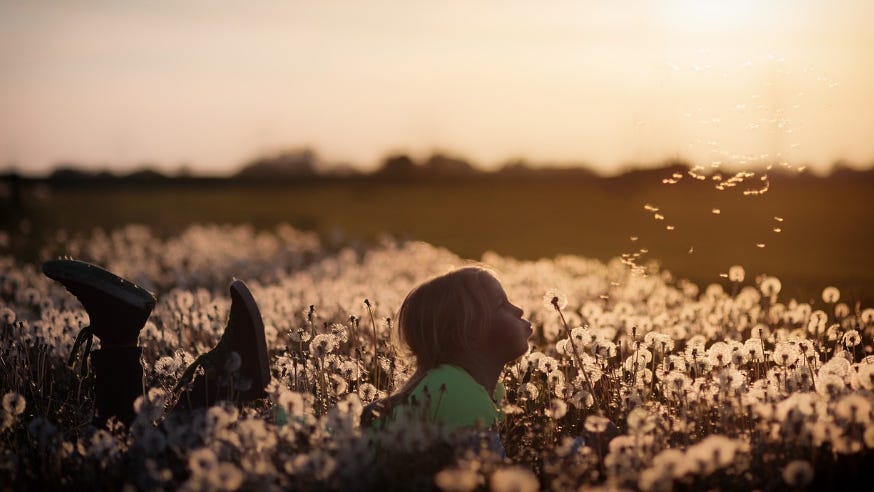
Dandelion – Leaves, flowers, and roots are all edible and rich in nutrients.
Plantain – Not the banana-like fruit, but the broadleaf plant that grows in grassy areas. Excellent for wounds and digestion.
Nettle – Packed with minerals, nettle is great for tea and soups (use gloves when harvesting).
2. Berries and Fruits
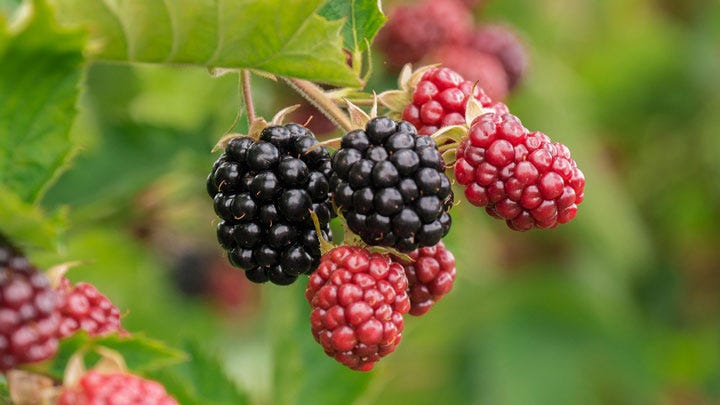
Blackberries & Raspberries – These wild fruits are high in antioxidants and easy to identify.
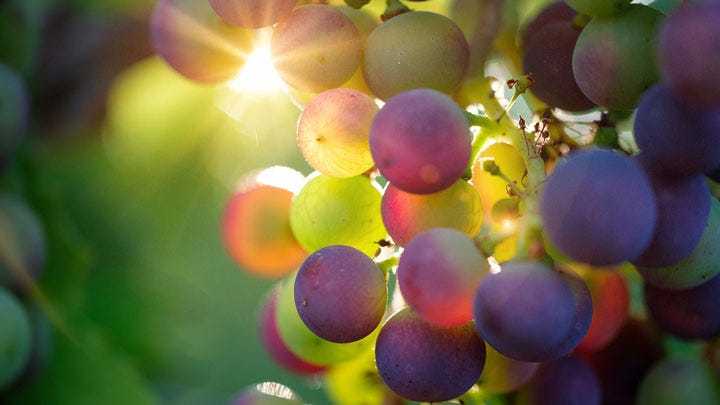
Wild Grapes – Found climbing trees and fences, these make a powerful source of energy.
Elderberries – Used for immune support, elderberries can be made into syrups and teas.
3. Nuts and Seeds
Acorns – Must be soaked and leached to remove tannins, then ground into flour.
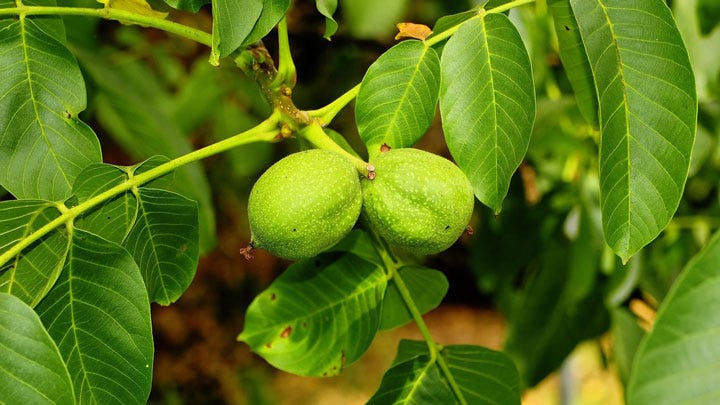
Walnuts & Hickory Nuts – Great sources of healthy fats and protein.
Pine Nuts – Found in pinecones, these are a fantastic survival food.
4. Wild Mushrooms (For Experts Only!)
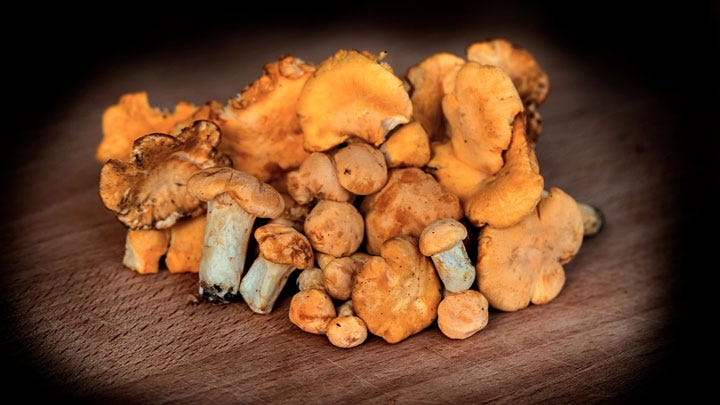
Chanterelles, Morels, and Lion’s Mane – These medicinal mushrooms are prized for their healing properties. Only harvest mushrooms if you are 100% certain of their identity—many toxic species look similar.
Survival Technologies Anyone Can Use
David Avocado Wolfe emphasizes self-sufficiency, and foraging is just one part of survival. Here are some easy-to-adopt survival technologies that anyone can use:

1. Wild Water Sourcing & Purification
Collect rainwater or use natural springs when possible.
Use a solar still to purify water by evaporation.
Carry a portable water filter or use charcoal, sand, and stones to make a natural filter.
2. Fire Starting Without Matches
Flint and Steel – Strike sparks onto dry tinder to ignite a flame.
Friction Fire – Use a bow drill or hand drill to generate enough heat for fire.
Magnifying Glass or Ice Lens – Focus sunlight onto dry leaves to start a fire.
3. Shelter Building
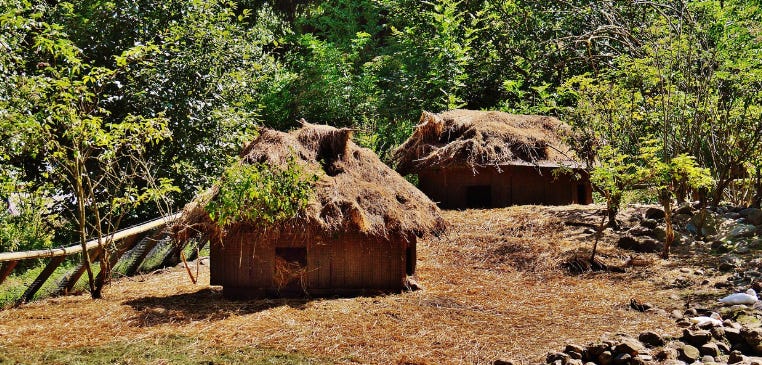
Debris Hut – Use leaves, sticks, and branches to make a warm, insulated shelter.
Lean-To – A simple survival shelter built against a fallen tree or rock.
A-Frame Shelter – Provides full coverage using branches and a thick layer of leaves for insulation.
4. Making Natural Tools & Utensils
Stone Knives – Sharp rocks can be chipped into tools.
Coconut or Gourd Bowls – Nature’s version of a cup or dish.
Birch Bark Containers – Lightweight and waterproof, great for carrying food or water.
Final Thoughts: Reconnect with Nature
Foraging and survival skills empower you to take control of your health and well-being. Nature is abundant, offering healing foods, shelter, and life-sustaining resources—if we learn how to use them wisely.
By adopting these simple foraging and survival techniques, you’ll gain confidence in your ability to thrive in any situation. Whether you're exploring the wild or preparing for the unexpected, these skills will serve you well.
Start small. Learn one new plant or survival skill each week, and soon you’ll have a powerful set of tools for self-reliance. Nature is your greatest teacher—go outside and start learning!
Also check out information on the Fruit Tree Planting Foundation, feeding communities one tree at a time.
Join the David Avocado Wolfe Substack Community
This is where transformation begins — are you ready to join us?
Wolfe University
Ready to go all-in? Experience the new Wolfe University with both free and paid courses, as well as the platform for David Wolfe's Inner Circle.
David Avocado Wolfe Links
David Wolfe Website: https://www.davidwolfe.com/
Wolfe University: https://university.davidwolfe.com/
David Wolfe Shops
US: https://shop.davidwolfe.com/
UK: https://davidwolfe.uk/
Our favorite Chocolate Factory is now located in Central Florida! Please visit Butler’s Raw Chocolates! 2400 South Hopkins Avenue, Unit E, Titusville, FL 32780
Butler’s Raw Chocolates: https://butlersrawchocolates.com/